
This article contains affiliate links. We Blog Any Car may earn a commission if you make a purchase.
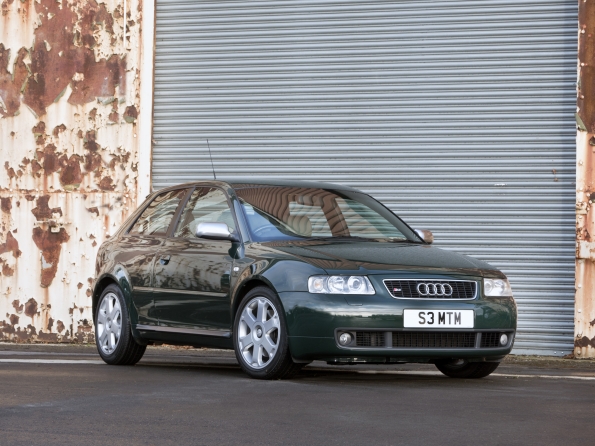
I bought my 2001 Audi S3 in 2010 while selling used specialist cars independently. It had just under 80,000 miles, a full service history and I sold it for £5,500.
Today, comparable cars are advertised at higher prices. At the time of writing, a year 2000 example with 76,500 miles is listed on Car & Classic at £9,950. That price movement raises the real question…is the appreciation justified or is nostalgia now driving the market?
I understand the appeal. Discreet styling with its sightly flared wheel arches, compact proportions, Quattro all-wheel drive combined with the 1.8 litre turbocharged engine producing 210 PS and then later models producing 225 PS. When new 0 to 62 mph only took 6.6 seconds which made it feel like serious performance in a useable package.
But in 2026, the question isn’t whether the 8L S3 is likeable. It’s whether it is genuinely worth £7,500 – £15,000 in today’s market.
Where the Market Sits.
At 7,500 – £10,000, you should expect a usable example with 70,000 – 100,000 miles and strong service history. Cambelt and water pump replacement must be documented. Condition now matters more than mileage done.
Below £5,000, you are generally entering restoration territory or a “world of pain”. Maintenance put off and corrosion can quick outweigh any saving on purchase.
Above £15,000, you are typically paying for exceptional condition, low mileage, rarity specification or speculative appeal rather than everyday usability.
The gap between average and excellent examples is widening.
Buy carefully.
Ownership Reality in 2026
These cars are now over 25 years old. Rust is no longer a thought. Inspect wheel arches, sills, doors and around the boot thoroughly.
The Quattro system uses a Haldex system rather than a permanent all-wheel drive setup. Regular Haldex oil servicing is critical. Lack of documented servicing should affect price or end the discussion entirely.
Clutch condition matters. Watch for slipping under load, a heavy clutch pedal or noise when releasing the pedal when stationary at idle.
The 1.8T engine is generally robust but coil pack failures have been know. Rough idle or slight misfires should not be ignored.
Electrical issues can include:
- ABS warning light
- Engine management light
- Failing ABS sensors
- Electric window regulator failures
- Seat mechanism issues
Suspension is durable but many cars have been driven hard. Inspect shocks, springs and control arms carefully. Uneven tyre wear and curb alloy wheels can indicate neglect.
Braking should be straight and vibration free. Judder under braking suggest warped discs or worn brake parts.
What I Learned Selling One
It wasn’t a difficult car to sell. Buyers looking at an original S3 usually know exactly what they want. It tends to be an “S3 or nothing” decision rather than one of several options.
Mine was black with black Recaro leather an understated and traditionally desirable combination. Conservative colours have historically appealed to the widest range of buyers. However, that may be shifting. Period shades such as Imola Yellow are gaining renewed attention and can attract enthusiasts prepared to pay for the right example.
Spec influences interest. Condition dictates value.
Before You Buy
- Run a full vehicle history check before viewing
- Confirm cam belt and water pump replacement
- Verify Haldex oil change histiory
- Inspect wheel arches and sills for corrosion
- Check clutch operation under load
- Listen for clutch noise at idle
- Check all warning lights and instrument display
- Inspect suspension and tyre wear
- Check alloy wheel condition
- Avoid modifications
At this age, write offs and ownership records matter. Do not skip this step.
When It Makes Sense
- £7,500 – £10,000 for a well maintained and documented example
- 70,000 – £100,000 miles with strong service history
- Minimal corrosion
- Standard or carefully documented modifications
At this level the car works as a usable daily driver with character. Most depreciation has already occurred. You are buying into a relatively stable part of the value curve.
When It Doesn’t
- Over £15,000 unless consciously buying as a collector or speculator
- Poorly documented modified cars
- Visible corrosion
- Missing Haldex servicing history
- Cheap entry level cars requiring a lot of work
Spending over £15,000 shifts the purchase into speculative territory. At that level, you are buying scarcity and nostalgia rather than clear value.
Is It Worth Your Money?
Worth it at £7,500 – £10,000 for a well documented and well maintained car.
Above £15,000, you are paying for rarity rather than outright value.
Buy on condition. Buy on history.
Separate emotion from the numbers.
About the author
Sheridan is an independent automotive editor and founder of We Blog Any Car. With over 30 years’ experience in the motor industry, his work focuses on market insight, buying signals, and real world automotive analysis, with a particular interest in the modern classic market.
Still deciding? Read This Next
Why now could be the right time to buy a Volkswagen Golf Mk3 GTI.



Leave A Comment