
This article contains affiliate links. We Blog Any Car may earn a commission if you make a purchase.
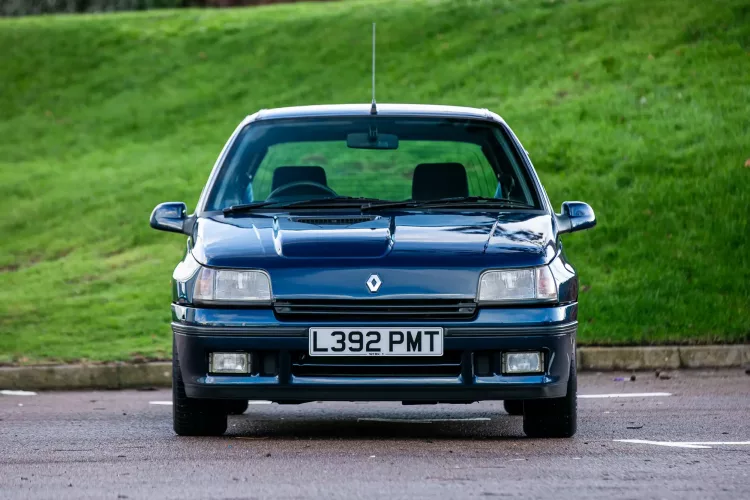
When the Renault Clio Williams (phase 1) arrived in the 1990’s, it was never meant to be just another fast hatch. Built as a homologation special and developed by RenaultSport, around 5,400 cars were produced in total all in Metallic Sports Blue, with just under 400 officially allocated to the UK all individually numbered. That scarcity, combined with motorsports links and period performance meant the Clio Williams reached modern classic status almost overnight.
Add the Williams F1 branding and the broader cultural impact of 1990’s hot hatches and it’s easy to see why this model has never really dropped off collectors radars.
Why the Clio Williams Matters Now.
The wider 1990s hot hatch market has been quietly strengthening and the Clio Williams fits squarely into that trend. Good examples are becoming harder to find and recent auction results suggest values are holding firm rather than softening.
According to Hagerty’s 2025 UK Collector Car Market Indices, interest in useable, analogue performance cars from this era remains resilient, particularly where originality and provenance are strong. For buyers looking to preserve rather than modify, the Clio Williams (phase 1) continues to make sense in this space.
The Car at the Iconic Auctioneers Race Retro Sale
This particular example is a 1994 Renault Clio Williams phase 1, car number 372, showing just under 84,500 miles.
- Estimate: £20,000 – £25,000
- Mileage: 84,500 (just under)
- Phase: 1 (number 372)
Full listing and catalogue details are available via Iconic Auctioneers.
1994 Renault Clio Williams (phase 1) Iconic Auctioneers
In 2017, the car underwent a documented restoration by Classic Heroes (East Sussex) at around 76,600 miles, with invoices totalling £16,314.20. That’s meaningful spend not cosmetic tidying but proper recommissioning. The cam belt was replaced in August 2022.
Condition: What I’d Be Checking Closely
With any Clio Williams, condition matters more than mileage. These cars were driven hard when new and many have lived tough lives.
Key things I’d be paying close attention to:
- Accident damage
This is a short wheelbase hot hatch with a motorsport reputation. Poor repairs are not uncommon, so panel fit, inner wings and signs of previous structural work all matter.
Before bidding, I’d run a full vehicle history check.
- Body condition
Corrosion can creep in if cars have been poorly stored or repaired. Floorpans, arches and seams deserve careful inspection.
- Engine health
If you’re able to hear it start from cold, listen and look for:
- excessive mechanical tapping noise
- oil leaks or traces of
- blue smoke on start up
- Interior wear
Sagging trim, tired seats and damaged plastics are costly to put right properly, originality inside counts for more than many buyers realise.
Auction Reality Check
Before bidding, its worth stepping back and looking beyond the hammer price.
For anyone planning to preserve the car rather than use it daily, protection from unexpected mechanical failure is also worth considering early on.
For peace of mind, some buyers choose to cover themselves against major mechanical issues.
Is the Estimate Sensible?
Assuming the car looks as good as it does in the photographs, the £20,000 – £25,000 estimate feels sensible.
At the lower end of that range, it looks like a realistic entry point for a restored documented Phase 1 Clio Williams. Much beyond the top estimate, buyers would want absolute confidence in originality, condition and supporting paperwork.
This is not a project car. Anyone looking for a cheap route into Clio Williams ownership is likely to be disappointed, those cars almost always cost more in the long run.
Who This Car Is (and Isn’t) For
This car makes sense for:
- a private buyer looking to preserve rather than modify
- someone who values history and documented restoration
- a collector wanting a usable but appreciating modern classic
It’s less suited to:
- buyers looking for a hands on restoration project
- track day use
- heavy mileage
In many ways, this feels better suited to a private enthusiast than a specialist dealer.
Final Verdict
If this car checks out in person, it looks like a well judged example of a Clio Williams at a point where the market still feels rational. The estimate isn’t unrealistic, the model’s reputation remains strong and broader trends in 1990s performance cars continue to support values.
Cars like this tend not to lose their appeal and that’s usually a good sign.
Approach it calmly, do the checks and bid with discipline.
About the author
Sheridan is an independent automotive editor and founder of We Blog Any Car. With over 30 years’ experience in the motor industry, his work focuses on market insight, buying signals, and real world automotive analysis, with a particular interest in the modern classic market.




Leave A Comment